
How to Fly a Rocket
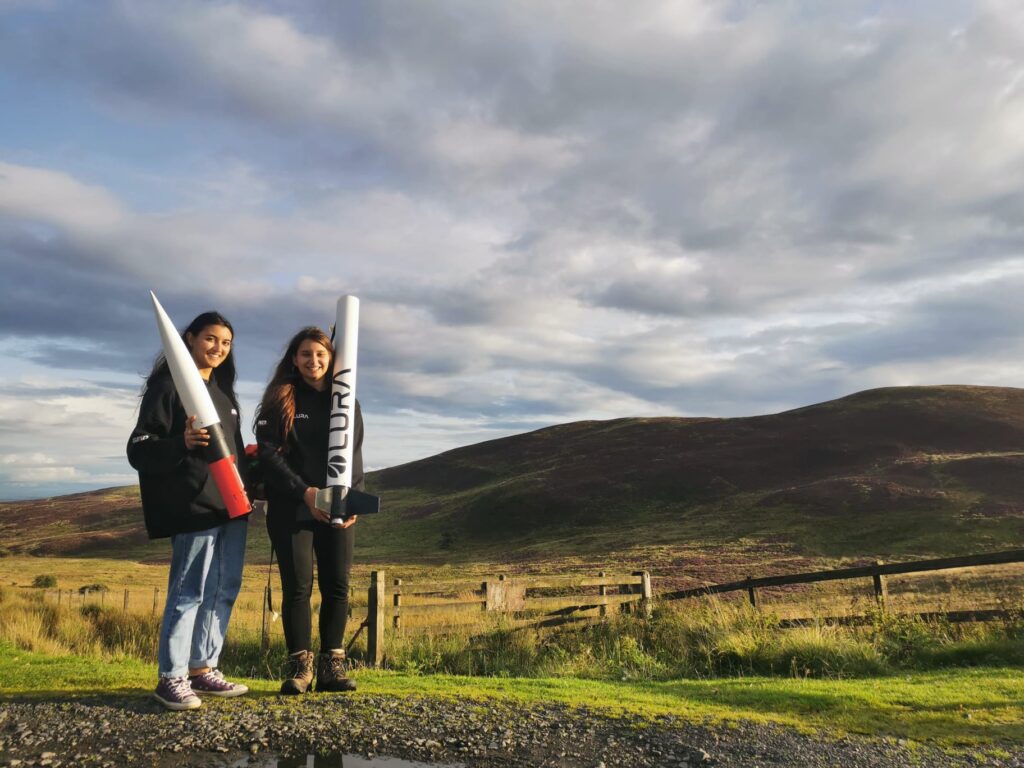
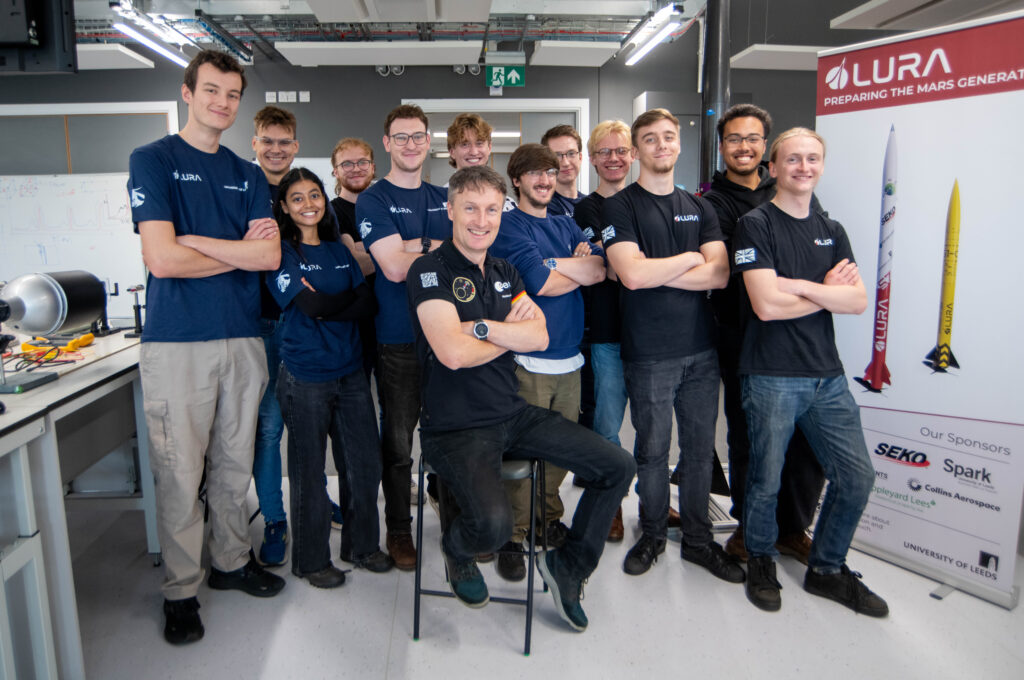
Space Hub Yorkshire has a thriving relationship with student space teams across Yorkshire, providing sponsorship funding, as well as event opportunities and introductions to industry professionals. Leeds University Rocketry Association (LURA) are one of the many impressive teams out there.
Founded by Theo Youds in 2019, LURA are a dedicated team of students at the University of Leeds that designs, builds, and flies sub-orbital rockets. LURA focus on providing students of all disciplines the opportunity to learn about rocketry, and the laws, regulations, and logistics involved in rocket launches. This is much beyond what is taught on their degree courses.
As part of our relationship with LURA, they kindly agreed to write a short article on the concept of ‘How to Fly a Rocket’ to help inspire others into the rocketry world.
Concept
This is where we come up with the idea of the rocket. Everything starts with a vision: what do we want the rocket to do, and what goals should it achieve? Once these goals are defined, they are turned into high-level requirements. From there, lower-level requirements follow, giving the team a clear roadmap for what the rocket must be capable of. A clear vision is important to keep a project on track and avoid scope creep, where additional features are added to the rocket “because they are cool”.
Design
This is where we solve the problems of how to meet the requirements. The rough architecture of the rocket is already understood, but the real challenge is exploring the practicalities of making it happen. This stage is all about turning ideas into reality. When designing a rocket, it is important to consider what you are designing it for, whether that is manufacturability, serviceability, performance, or a balance of all three. Consulting existing literature from other student teams here and abroad, as well as papers and NASA publications, is a key part of this process.
Review
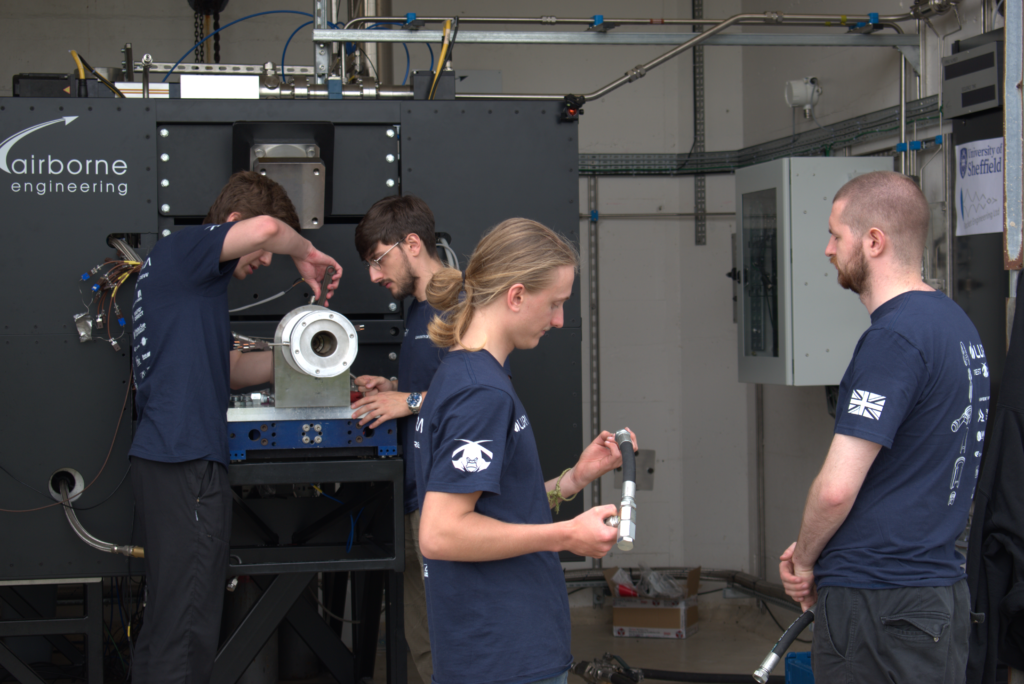
All of our projects go through design reviews, internally and often with UKRA. This is where the design is carefully scrutinised by experienced eyes. These reviews can result in changes and simplifications, helping to improve reliability, safety, and performance before anything is built.
Logistics
This is the organisation of the launch event. It can range from taking a few hours to sort out who is driving, to taking weeks to organise a mission involving third parties, camping, and battling with the weather. Without good logistics, even the best rocket would never leave the ground.
Launch
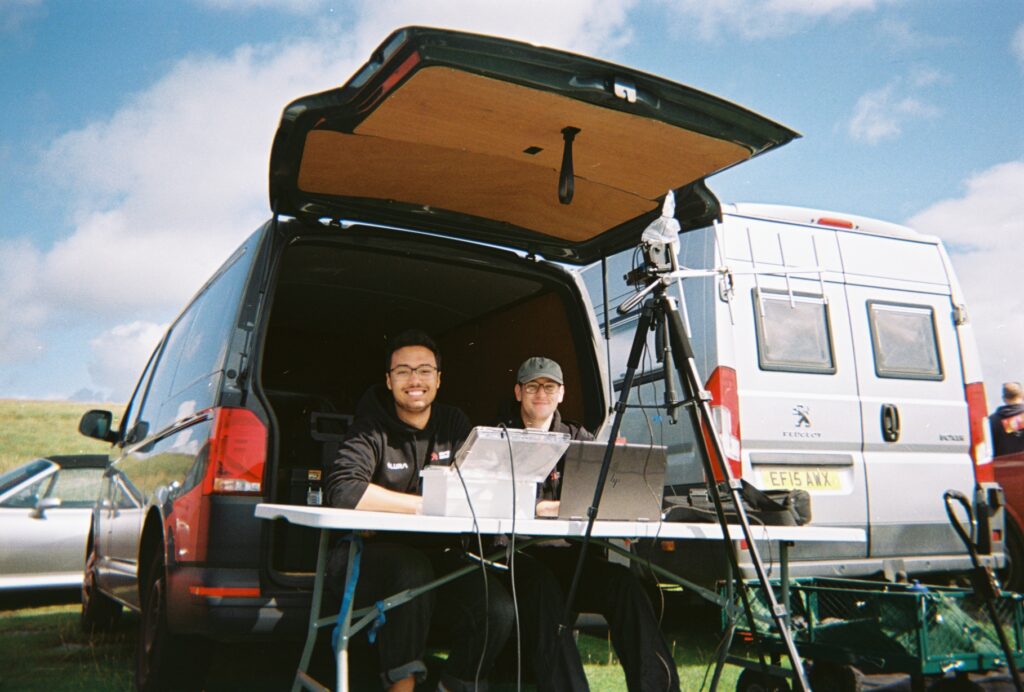
The part we have all been waiting for. Arriving at the launch site, pressing the big red button, and watching the rocket soar into the air is the moment when all the hard work finally pays off. Once it has landed, the next challenge is recovery. Rockets normally parachute down from there maximum altitude. Our larger rockets often contain tracking systems to help us locate and retrieve them safely, such as RF beacons or GPS modules.